Protecting yourself from bloodborne infections
Some infections spread through blood and other body fluids. The Bloodborne Pathogens course teaches you how to protect yourself when you give first aid or work in a job where contact with blood or body fluids is possible.
The course follows the programme of First Response Training International, the first-aid organisation of the SDI and TDI group. It is not a diving course: it is for employers who want to protect their staff, lifeguards, babysitters, caregivers and anyone who wants to be better prepared. It can be combined with other First Response first-aid courses.
What you learn
- Where infection can come from and what decides whether you catch it
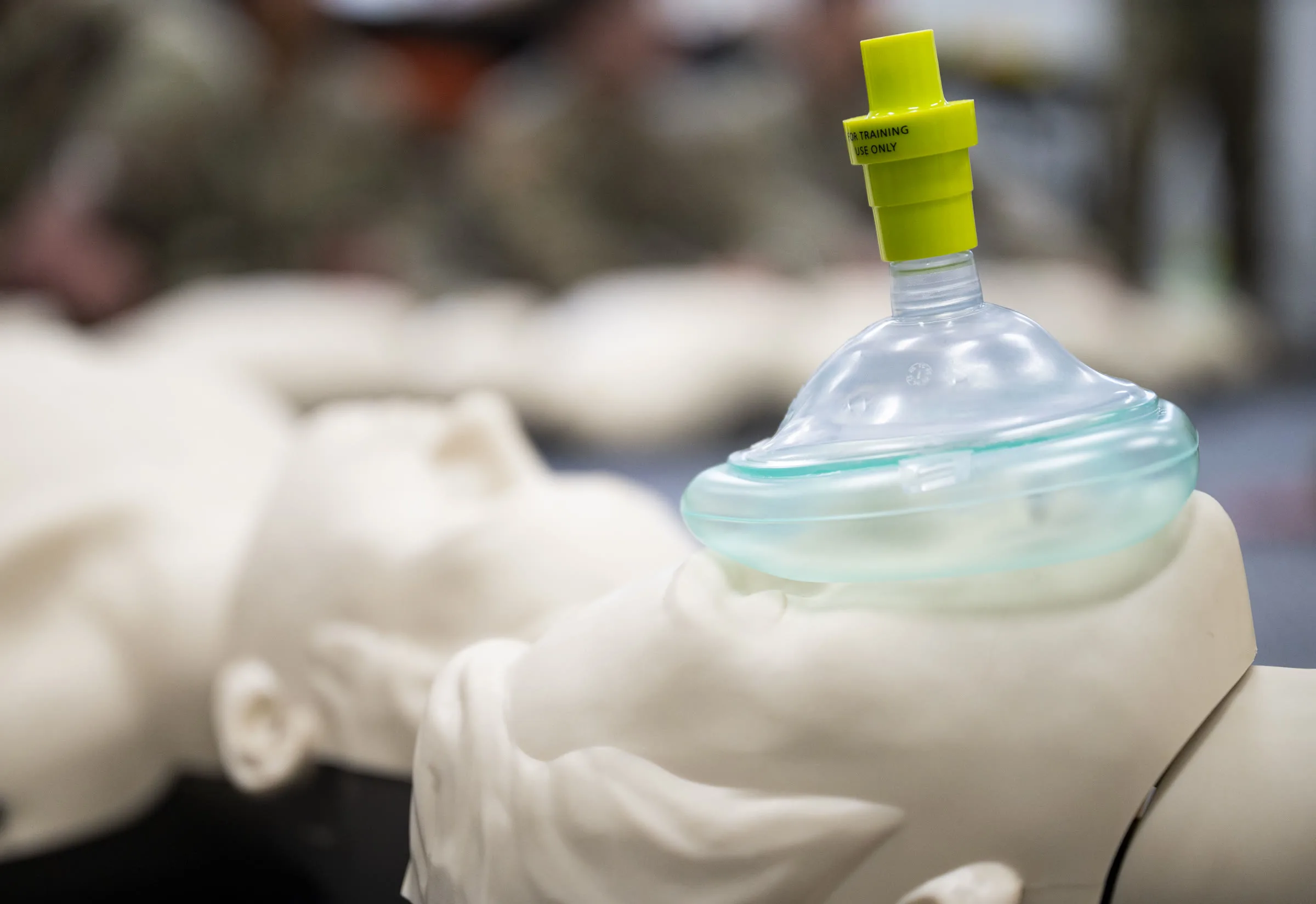
- How to choose, put on and safely remove personal protective equipment, such as gloves and a CPR barrier
- Hygiene and housekeeping rules
- How to dispose of used protective equipment safely and disinfect surfaces
- What to do if contact with blood has happened: cleaning the site, reporting the exposure and logging it
- How to look after yourself after an incident in which you gave help
How the course runs
The course has two parts. You learn the theory online or from the manual, and in a practical session with the instructor you practise putting on and removing protective equipment, handling biohazard waste and reporting an exposure. The course ends with an exam.
The certificate is valid for 2 years; after that you repeat the course.
What comes next
If you also want to learn CPR and first aid, choose the first aid course.
Frequently asked questions
Is this a diving course?
No. It is for anyone who may come into contact with blood or other body fluids while giving help or at work. No diving experience is needed.
How long does the course take?
About 2 hours. You can study the theory in advance, online or from the manual.
How long is the certificate valid?
2 years. After that you repeat the course.
What is the minimum age?
18, or from 10 with parental consent.